
.png)
Common Mistakes Importers Make with Air Freight from China and How to Avoid Them
- Vivien Zheng
- Dec 30, 2025
- 5 min read
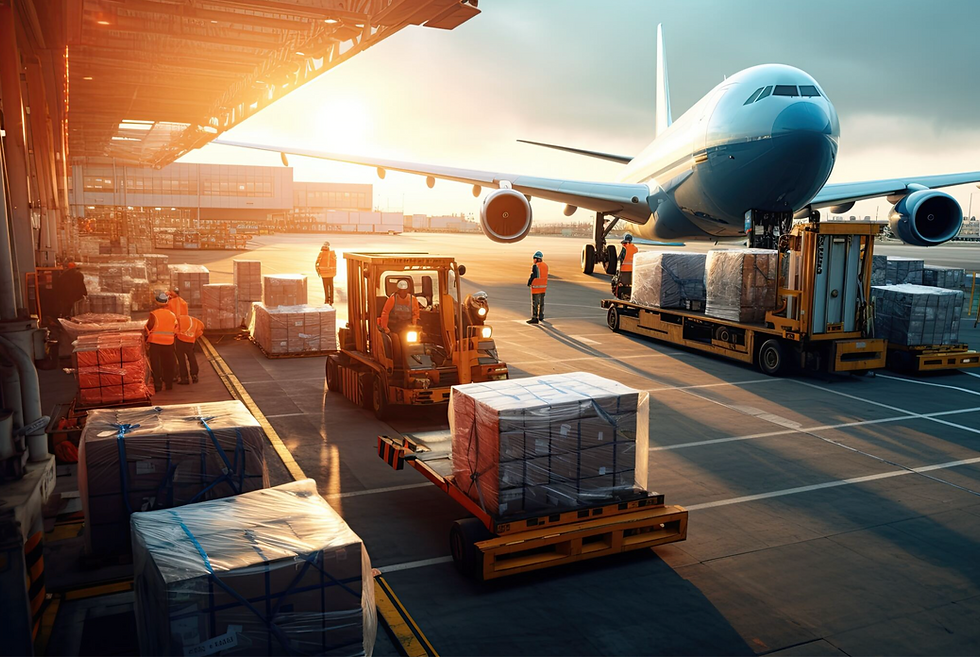
Air freight is one of the fastest ways to move goods from China to Australia. It helps importers respond to demand, manage seasonal peaks,andmaintainconsistent stock levels. Although air freight is efficient, there are several points in the process where issuescan arise. Small oversights in documentation, labelling, packaging,or communication can slow down a shipment or increase costs.
Understanding these common mistakes helps importersplan aheadand stay informed at each stage of their supply chain.Here weoutline the missteps importers face with air freight from China and how to avoid them through clear processes and steady communication.
Planning without Accurate Cargo Information
Accurate cargo details shape everything that follows in an air freight shipment. When measurements or descriptions are unclear, freight quotes become inaccurate. This can affect budgeting and cause unexpected charges at departure or arrival.
Common issues include:
Incorrect weight or dimensions
Vague descriptions of goods
Missing HS codes
Failure to declare fragile or high-value cargo
When any of these details are incomplete, airlines,and handlers may remeasure the cargo. This can lead to revised charges or adjustments to the routing.
How to avoid this:
Provide complete and verified measurements and specifications. If goods are still in production, request early estimates from your supplier and confirm final figures as soon as they are available. Clear and early communication ensures the routing and pricing align with your cargo requirements.
Choosing Air Freight When Another Mode Suits Better
Air freight is ideal for urgent, high-value,or lightweight goods. Some importers choose air freight for shipments that are more suited to sea freight. This can lead to higher costs and missed opportunities for better long-term planning.
Examples of when air freight is useful:
Product launches requiring fast delivery
High-value electronics
Spare parts for breakdown situations
Perishable items
Smaller volumes with tight deadlines
Shipments involving bulky packaging or low-value goods may be more economical by sea, even with longer transit times.
How to avoid this:
Consider overall shipment goals rather than defaulting to one freight mode. Review timelines, product value, size, and storage requirements. A combination of air and sea freight can sometimes provide a balanced approach.
Underestimating Customs Requirements
Australian Border Force and the Department of Agriculture, Fisheries and Forestry have strict import rules. Missing or incorrect documentation is one of the most common causes of delays on arrival.
Common documentation issues include:
Incomplete commercial invoices
Missing packing lists
Incorrect HS codes
Undeclared treated wood or organic materials
Limited understanding of duties and GST
When documents do not match the goods, shipments may be held for checks, resulting in storage fees and longer clearance times.
How to avoid this:
Work closely with your supplier to ensure all documentation isaccurateand complete. Review invoices and packing lists before the shipmentdepartsChina. Understanding classification and duty rates also helps with budgeting and compliance.

Limited Visibility of Airline Schedules and Routing
Air freight schedules vary throughout the year. Holidays, weather, peak retail periods,and global events influence capacity and routing. Importers who do not track these fluctuations may face higher costs or limited availability.
Examples of peak periods:
Chinese New Year
Golden Week
Pre-Christmas demand
Factory production surges
During busy periods, space is limited and prices rise. Cargo may also move through indirect routes if direct flights are full.
How to avoid this:
Plan bookings in advance and stay aware of seasonal patterns. Maintain communication with freight partners to understand available capacity and any changes in routing. Early planning helps avoid last-minute adjustments and higher rates.
Inadequate Packaging for Air Freight Conditions
Air freight moves through several handling points, and cargo may be stacked or shifted during the journey. Inadequate packaging increases the risk of damage.
Typical packaging issues include:
Weak cartons
Insufficient internal padding
No clear labelling
Pallets that do not meet airline standards
Lack of moisture protection
Airlines follow strict weight distribution and loading guidelines. If packaging does not meet these standards, cargo may be refused or repacked at an additional cost.
How to avoid this:
Ensure packaging is strong, clearly labelled and suited to the nature of the goods. Pallets should be secure, stable and compliant with airline specifications. For fragile cargo, extra internal protection is essential.
Poor Communication Between Importer and Supplier
Miscommunication at origin often leads to delays and additional costs. Importers sometimes assume suppliers understand air freight requirements, but every shipment is different and needs clear coordination.
Common scenarios include:
Suppliers booking transport without approval
Incorrect incoterms
Missed cut-off times
Changes in production not communicated early
Missing or late documentation
When expectations are not aligned, shipments may miss flights or arrive with incomplete paperwork.
How to avoid this:
Set clear instructions with your supplier. Confirm responsibilities, timelines, and required documents. A regular check-in process helps prevent last-minute surprises and keeps both parties aligned.
Lack of Clarity on Transit Time Expectations
Air freight is faster than sea freight, but it still involves multiple stages. Some importers expect cargo to arrive within days when routing, handling,and customs processes may take longer.
A typical air freight flow includes:
Stage | Description |
Export Handling | Cargo received, checked, and prepared for departure |
Airline Uplift | Goods loaded on available flights, sometimes with connecting routes |
Arrival Handling | Cargo unloaded and inspected at the destination airport |
Customs Clearance | Documentation reviewed, duties assessed and inspections conducted |
Delivery | Cargo dispatched to the final location |
Each step can experience delays due to weather, airline scheduling or customs checks.
How to avoid this:
Set realistic expectations based on route, season and airline capacity. Regular updates from freight partners help track progress and adjust planning timelines.
Focusing Only on Freight Rates Instead of Total Landed Cost
Some importers choose a freight solution based on price alone. Rates are important, but total landed cost provides a more accurate picture of what the shipment will cost.
Total landed cost includes:
Freight charges
Security fees
Export charges
Fuel surcharges
Duties and GST
Local handling
Delivery
Storage or inspection fees if applicable
When importers focus only on the main freight charge, they may overlook other costs that influence the overall shipment budget.
How to avoid this:
Request a full breakdown of expected charges. Understanding each cost helps with planning and ensures the solution aligns with your supply chain goals.
Keeping Your Air Freight Supply Chain Running Smoothly
Air freight from China offers speed and reliability when managed with accuracy and clear communication. Importers who understand the common mistakes can plan ahead, stay compliant, and maintain steady movement of their goods. Preparing documentation, reviewing packaging, confirming shipment details, and staying aware of airline schedules all contribute to a smoother and more predictable supply chain.
If you want support with planning or managing your next air freight shipment, the team at Beyond Borders can provide guidance based on current capacity, routing, and industry conditions.
Contact us to discuss a tailored approach for your cargo.


Comments